Soul, Spirit Mind and Intellect: عقل و روح و نفس
An
intertextual trajectory from Biblical times and Hellenistic antiquity to
the Islamic and Babi-Baha'i positions. Some
Notes towards an Annotated Bibliography and Reading List for Islamic and Bābī-Bahā’ī Studies,
Part II.
Early Shaykhism and Babi-Baha'i materials.
_____________________________________________________________________________
Stephen
Lambden (UC-Merced)

http://www.hurqalya.pwp.blueyonder.co.uk/SHAYKHISM/SHAYKHISM.htm
EARLY SHAYKHISM
احمد بن زين الدين
احسائي
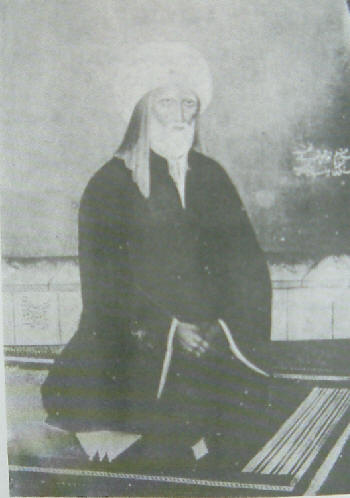
Shaykh Aḥmad ibn
Zayn al-Dīn al-Aḥsā’ī (d.1241/1826).
- Jawāb Sayyid Abū al-Ḥasan al-Jīlānī
completed 1st Ṣafar 1224 = 18th March 1809. Thus
written around ten yrs before the birth of the Bab. This Risāla can be
found in Jawāmi` al-kalim, Vol.1/1:141-5. (see below).
- Jawāb asʼilat Sayyid Abī al-Ḥasan Jīlānī,
Answers to five
questions, on intelligence, soul, and spirit (ʻaql, nafs, rūḥ).
According to colophon, copied on 1 Ramaḍān (fol. 45a).
Apparently by the same hand as other texts in the volume, dated
Ramaḍān-Dhū al-Qaʻdah 1236 [1821].
- Other Titles: Abstract: Answers to five questions,
on intelligence-intellect, soul, and spirit (ʻaql, nafs, rūḥ). According to
Fihrist-i kutub-i ... Shaykh Aḥmad Aḥsāʼī, the questions were asked
by Abū al-Ḥasan al-Jīlānī.
- Risāla in reply to in exposition of the intellect
(al-`aql), the Spirit (al-rūḥ) and the soul (al-nafs).’ Mss.
= see below.
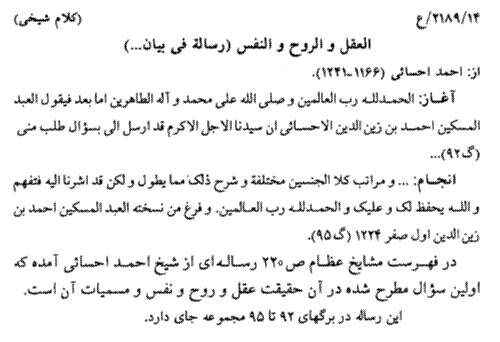
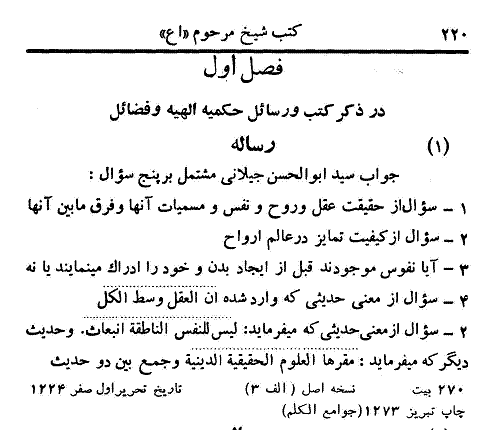
Risāla in reply to five questions of Sayyid Ḥasan
Jilānī.
- Q.1 = `Question about the reality (ḥaqīqa) of the
intellect (al-`aql), the Spirit (al-rūḥ) and the soul (al-nafa) and
their various designations and the differences between them.’ Mss. See
Ibrahimi, Fihrist, 220 Item 1. No.1.
- Q. 1= `Question about the reality (ḥaqīqa)
of the intellect (al-`aql), the Spirit (al-rūḥ) and the soul (al-nafa)
and their various designations and the differences between them.’
- Q. 2 = `Question about the manner of
differentiation (kayfiyyat-yi tamāyiz) in the world of spirits (`ālam
al-arwāḥ). And whether or not they are capable of understandingt.’
- Q.3 =
`On whether souls (al-nufus) are
existent before the origin [procreation] (ījād) of the torso-corporeal
body (badan) and
- Q.4 . `On the meaning of the ḥadīth which
has been taken to indicate that “The intellect is the centre of
everything (al-`aql wast al-kull)’.
- Q.5
`On the meaning of the ḥadīth in which
he says, “For the rational soul (li-l-nafs al-naṭiqa) there is no cause
/ regeneration- resurrection (inbi`āth) and another ḥadīth in which it
is said, “It is a storage place [respository] (maqarr) for the
assured sciences of religion (maqarr-hā al-`ulūm al-ḥaqīqa
al-dīniyya)’.
-
The
Commentary on the Hadith “man arafa nafsahu fa-qad ‘arafa rabbahu”
In his commentary on the Hadith “man arafa nafsahu fa-qad ‘arafa rabbahu”
(he who hath known his nafs had indeed known his lord), Shaykh Ahmad
makes specific comment on the meaning of the word nafs. (Green, 10f).
‘I say that this
significance has been transmitted from the Prophet [Muhammad],
upon Him and His family be peace, that he said… (see text and
fn. 2), [and transmitted from the commander of the faithful,
upon him be peace]. He (Imam ‘Ali) said “man `arafa nafsahu
fa-qad ‘arafa rabbahu” (he who hath known his nafs had indeed
known his lord). This is the intention of the two transmitted
[traditions], about which neither the ancient nor contemporary
hukama or the totality of the ‘ulama’ differed. Furthermore,
the book, the sunna, and the intellect, bear testimony unto this
[unitative] meaning. Yet it is the case that the ulama' have
differed regarding the meaning of its intention, such that there
were those who speculated that the meaning of the nafs is the
lord (al-rabb), may He be exalted and elevated, and there were
those among them who reckoned that it indicated the
contingencies of the divine essence (lawazim al-dhat) which is
the true one [Himself] (al-haqq). So whomsoever knoweth it hath indeed
known the divine essence, which is the True One (God), exalted
be he.
And
further, amongst them [the ulama'] are such as reckoned that it
[the nafs] is a [theophanic] locale (mahallan) for
Him, exalted be He. And among them [the ulama'], were such as
reckoned that it [the nafs] is a [theophanic] locale (mahallan)
for it (feminine).
Sayyid Kāẓim Rashtī
(d. 1259/1843)

The charismatic Persian Shī`ī thinker
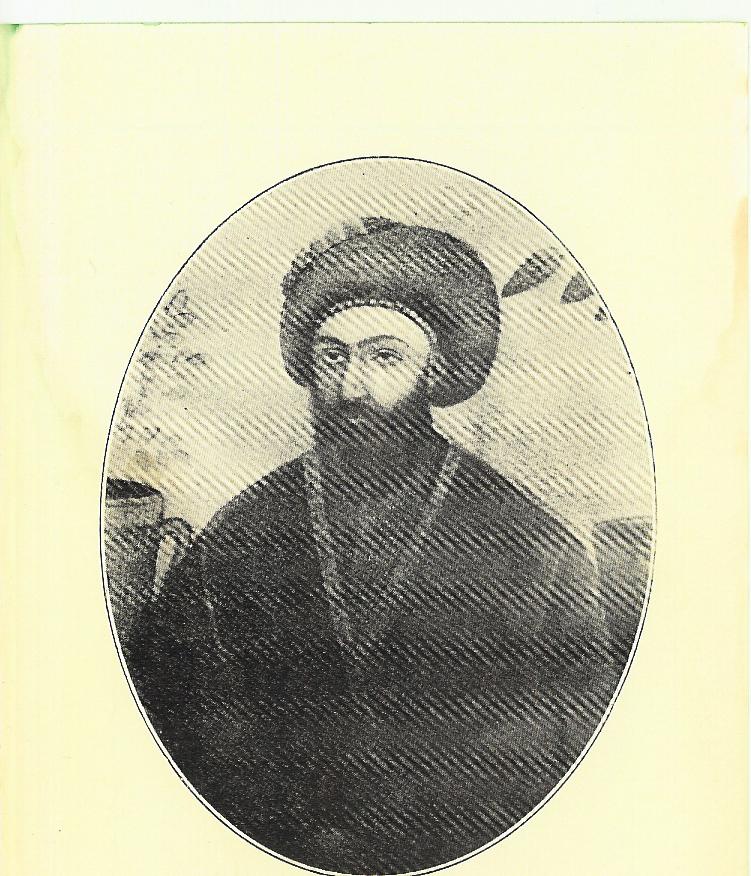
Sayyid Kāẓim Rashtī (c.1212/1798--1259/1843) was the second head of al-Shaykhiyya,
the so-called Shaykhī school of Shī`ī Islam which emerged during the
early Qājār period. He succeeded the Ākhbārī sage, philosopher and
mystical exegete, the foundational figure for Shaykhism, Shaykh Aḥmad b.
Zayn al-Dīn al-Ahsā'ī (1166-1241 d. Medina 1753-1826 CE). Born in the
eastern Arabian province of al-Aḥsā (= Ḥasā) he lived most of his life
in the `Atabat or Shī`īte shrine cites of Iraq (1790s – early 1800s) and
in Iran (1806-1826), though he passed away aged about 75 in the
Mecca-Medina region whilst on Islamic pilgrimage.
Like Shaykh Aḥmad, Sayyid Kāẓim was a prolific and wide-ranging writer
in both Persian and Arabic. Among the important compositions listed in
his own Fihrist (“Bibliographical Index”) are,
-
The
highly theological - irfānī (“Gnostic”)
تفسيراية
الكرسى
`Commentary upon the Throne Verse’ (Q. 2:256) spanning well over 250
pages and written when he was about twenty years of age.
-
The early Arabic
دعاى السمات شرح
Sharḥ Du`a al-simāt / Sharḥ Du`a-yi Simāt (The
Commentary upon the Prayer of the Signs) dating to 15th Sha`bān 1238
/ 27th April 1823 and written in Kufa in reply to a certain
Ākhūnd Mullā `Alī Asghar Nīshāpūrī (cf. Ibrahimi Fihrist,
No. 144 p. 292);
-
The deeply recondite
افندى شرح قصيده
لاميه عبدالباقى
`Sharḥ al-qaṣīda al-lāmiyya
(Commentary upon the Ode rhyming in [the letter] ل , "L" ) of
`Abd al-Bāqī Āffindī Mawṣilī (Kirmānī, Fihrist
No. 149 p. 293)
-
The much-celebrated and often abstruse
خطبة طتنجية شرح كتاب ,
Kitāb sharḥ khuṭba ṭutunjiyya [taṭanjayya] ("The Book of the
Commentary upon the Sermon of the Gulf") (= No. 143, Fih.
p. 292), a partial though substantial commentary on the quasi-ghuluww
oration ascribed to the first Shī`ī Imam `Alī b. Abī Ṭalib (d.
40/661) which is highly regarded in esoteric Shi`ism.
ADD HERE
THE BĀBĪ-BAHĀ’Ī RELIGIONS
Bahā’ī texts on
soul, spirit, mind and intellect.
Detailed or academic study of the
Shaykhi - Babi-Baha’i universe of discourse often demands an
examination of aspects of the Abrahamic-Islamic background of the Arabic
or Persian primary sources or the concepts are embedded therein. One can
hardly adequately examine Bahā’ī concepts of
soul-spirit-mind-intellect without a careful scrutiny of
terminology --
و عقل و روح
نفس
--
and the spectrum of meanings which these terms may have. A study of
their contexts in pre-Bābī-Bahā’ī Islamic and related literatures in
often imperative. The dangers of ignoring this are perhaps illustrated
in the English translations of the collected 1904-6 Persian talks of `Abdu’l-Baha'
published under the rhyming title Nūr al-Abhā fī Mufāwāḍḍāt `Abd al-Bahā’
… (Abbrev. “Graces”) loosely rendered into English as “Some Answered
Questions” (1st ed. London : Kegan Paul, Trench, Trubner %
Co. Ltd, 190[7]8 ; 1st US ed. 1918) as translated by
Hippolyte and Laura Dreyfus-Barney. In Ch. XXX (30) of Mufāwāḍḍāt /
“Some Answered Questions” expounding the `Story of Adam and Eve’
Abdu’l-Baha’ states
|
|
آدم روح آدم
است و از
حوّا نفس آدم
از
گوئيم مقصد
زيرا در
بعضی مواضع از كتب الھيّه كه ذكر اناث
ميشود
نفس
انسانيست
مقصد |
..
maqsad az Ādam rūḥ-i Adam ast va az Ḥawā (Eve) nafs-i Ādam…
This has
been translated:
“Adam
signifies the spirit (rūḥ) of Adam and
Eve his soul (nafs). For
in some passages of the Holy Book where women [females] (اناث
anāth) are mentioned, they represent the
soul of man” (نفس
انسانيست ) (Per. nafs-i insāniyya-st)” (UK edition, n.d.
c. 1960?? Ch. 30 p. 113).
This translation
is very misleading for the Baha’i reader who generally regards the human
“soul” as the elevated human essence or reality. Eve is not the nafs
of Adam (“humanity”) as his “soul” even though nafs can, and often in
Babī-Bahā’ī sacred writ, does have this sense. Rather “Eve” is the
nafs of Adam as symbolic of his (i.e. humanitys’) `lower self’ or
`selfish propensity’. Hence the so-called “fall” came through Eve as one
representative of the lower, limited aspect of all human beings as
Adam-humanity. The earlier rendering has been partially `corrected’
with the slightly interpretive translation in editions published from the
1980s
“Adam
signifies the heavenly spirit of Adam (rūḥ-i
Adam), and Eve His human soul (nafs-i Adam)” (SAQ.,
NSA of the Baha’is of the US., Wilmette, Illinois,1981 ed. Ch.
30 p. 122)
This slightly updated
translation poses
another problem introduced with the capilization at “His human
soul” , doubtless on the basis of the belief that Adam was a maẓhar-i
ilāhī !! although this is not at all ther intended sense here. The
capital “H” should be removed especially since it is not Adam the
`Manifestation of God’’s “human soul” which leads to evil or to the
“fall”. It is the lower self or nafs of humanity symbolized by "Eve"
which leads to error. The nafs-i insaniyyat or “human” nafs referred to
here cannot be nafs as the “soul” of the first man Adam!!
Both the old and
new (!) editions of "Some Answered Questions" then have a
misleading translation following the sentence expressive of
Abdu'l-Baha's succinct exegesis of the primordial "persons" or first
couple, "Adam" and "Eve", namely, “For in some passages of the Holy
Book where women [females] (
اناث
anāth) are mentioned, they represent the soul of
man [human nafs = `selfishness’ ] (Per. nafs-i
insāniyya-st)” (UK edition, n.d. c. 1960?? Ch. 30 p. 113). A more
accurate rendering would be “For in some passages of the Holy Book
where women [females] (اناث
anāth) are mentioned, they represent lower self/selfishness of humanity
(Per.
nafs-i insāniyya-st)”. Translation is not such an easy thing. Some
Answered Questions unless properly translated or more likely to
lead to confusion than enlightenment.
(a) Baha’u’llah GWB x
4 sect. 80-83.
Mīrzā Ḥusayn `Alī
Nūrī, Baha’-Allāh (1817-1892 CE).
-
Lawh-i 'Abd al-Razzaq in Iqtidarat, 68-71 Partial trans. GWB 80
-
Lawh-i 'Abd al-Vahhab in Iqtidarat,
215-17+
Majmu`a-yi alwah-i Mubaraka,
163-65 =
cited in GWB 81
Partial trans. GWB 81
- Lawh-i Muhammad 'Ali
cited in GWB 82 = Partial trans. in
GWB.: 102-
-
Lawh-i Hadi in
Majmu`a-yi alwah-i Mubaraka,
351-53
=
cited in GWB 83 = Partial trans. in GWB.:
102-
- ADD
GWB: LXXX:
Lawh-i 'Abd al-Razzaq in Iqtidarat 68-71 Persian Text and Trans. of
Shoghi Effendi:
و امّا ما سئلت بنی نوع انسانی بعد از
موت ظاهری غير از انبيإء و
اوليإء آيا همين تعيّن و تشخّص
و ادراك و شعوری كه قبل از موت
در او موجود است بعد از موت هم باقيست يا زائل ميشود و بر فرض بقا
چگونه است كه در حال حيات فی
الجمله صدمه كه بمشاعر انسانی
وارد ميشود از قبيل بيهوشی و مرض شديد شعور و ادراك از او زايل ميشود و
موت كه انعدام ترآيب و عناصر
است چگونه ميشود كه بعد
او تشخّص و شعوری متصوّر شود با انكه الات بتمامها از هم پاشيده اِنتهی
.
Thou hast asked Me
whether man (banīnaw` insānī), as apart from the Prophets of God (anbiya' )
and His chosen ones (awliya'), will retain, after his physical death, the
self-same individuality (تعيّن
ta`yin),
personality (تشخّص
), consciousness (اد
راك
idrāk), and understanding (شعوری
shu`ūrī) that characterize his life in this world. If this should be
the case, how is it, thou hast observed, that whereas such slight injuries
to his mental faculties as fainting and severe illness deprive him of his
understanding and consciousness, his death, which must involve the
decomposition of his body and the dissolution of its elements, is powerless
to destroy that understanding and extinguish that consciousness? How can any
one imagine that man’s consciousness and personality will be maintained,
when the very instruments necessary to their existence and function will
have completely disintegrated?
معلوم انجناب بوده كه
روح در رتبهء خود قائم و
مستقرّ است و اينكه در مريض ضعف مشاهده ميشود بواسطهء اسباب
مانعه بوده و الّا در اصل ضعف بروح راجع نه مثلاً در سراج ملاحظه
نمائيد مضئ و روشنست و لكن اگر حائلی مانع شود در اينصورت نور او ممنوع
مع آنكه در رتبهء خود مضئ بوده و لكن باسباب مانعه اشراق نور منع شده
وهمچنين مريض در حالت مرض ظهور قدرت و قوّت روح بسبب اسباب حائله ممنوع
و مستور و لكن بعد از خروج از بدن بقدرت و قوّت و غلبهء ظاهر كه شبه آن
ممكن نه و ارواح لطيفهء طيّبهء مقدّسه بكمال قدرت و انبساط بوده و
خواهند بود
Know thou that the
soul of man (rūḥ dar rutbah-' khud) is exalted above (qā'im
va mustaqirr)
), and is independent of (qā'im va mustaqirr) all infirmities of body or
mind. That
a sick person showeth signs of weakness is due to the hindrances ( man`)
that interpose themselves between his soul (ruh) and his body, for the soul
itself (ruh ) remaineth unaffected by any bodily ailments. Consider
the light ( madi va rushan) of the lamp (siraj). Though an external object
may interfere with its radiance, the light itself continueth to shine with
undiminished power. In like manner, every malady afflicting the body of man
is an impediment that preventeth the soul (ruh) from manifesting its
inherent might and power. When it leaveth the body, however, it will evince
such ascendancy, and reveal such influence as no force on earth can equal.
Every pure, every refined and sanctified soul will be endowed with
tremendous power, and shall rejoice with exceeding gladness.
مثلاً
اگر سراج در تحت فانوس حديد واقع شود ابداً نور او در خارج ظاهر نه مع
انكه در مقام خود روشن بوده در آفتاب خلف سحاب ملاحظه فرمائيد آه در
رتبهء خود روشن و مضئ است و لكن نظر بسحاب حائله نور او ضعيف مشاهده
ميشود و همين آفتاب را
روح انسانی ملاحظه
فرمائيد و جميع اشيا را بدن
او كه جميع بدن بافاضه و اشراق آن نور روشن و مضئ و لكن اين
ماداميست آه اسباب مانعهء حائله منع ننمايد و حجاب نشود و بعد از حجاب
ظهور نور شمس ضعيف مشاهده ميشود
Consider the lamp
which is hidden under a bushel. Though its light be shining, yet its
radiance is concealed from men. Likewise, consider the sun which hath been
obscured by the clouds. Observe how its splendor appeareth to have
diminished, when in reality the source of that light hath remained
unchanged. The soul of man should be likened unto this sun, and all things
on earth should be regarded as his body. So long as no external impediment
interveneth between them, the body will, in its entirety, continue to
reflect the light of the soul, and to be sustained by its power. As soon as,
however, a veil interposeth itself between them, the brightness of that
light seemeth to lessen.
Consider again the
sun when it is completely hidden behind the clouds. Though the earth is
still illumined with its light, yet the measure of light which it receiveth
is considerably reduced. Not until the clouds have dispersed, can the sun
shine again in the plenitude of its glory. Neither the presence of the cloud
nor its absence can, in any way, affect the inherent splendor of the sun.
The soul of man is the sun by which
his body is illumined, and from which it draweth its sustenance, and should
be so regarded.
چنانچه
ايّاميكه غمام حائلست اگر چه ارض بنور شمس روشنست و لكن آن روشنی ضعيف بوده و
خواهد بود و بعد از رفع سحاب انوار شمس بكمال ظهور مشهود
٧١
و در دو حالت شمس در رتبهء خود علی حدّ واحد بوده .
هم چنين است
آفتاب نفوس كه باسم روح مذكرر شده و ميشود و همچنين ملاحظه در ضعف وجود
ثمره نمائيد در اصل شجره كه قبل از خروج از شجر مع انكه در شجر است بشأنی ضعيف
كه ابداً مشاهده نميشود و اگر نفسی ان شجر را قطعه قطعه نمايد ذرّهء از ثمر و
صورت آن نخواهد يافت و لكن بعد از خروج از شجر بطراز بديع و قوّت منيع ظاهر
چنانچه در اثمار ملاحظه ميشود و بعضی از فواكه است كه بعد از قطع از سدره لطيف
ميشود امثلهء متعدّده ذكر شد تا از هر مثالی بمقصودی مطّلع شويد و مطابق نمائيد
بما سئلت عن اللّه ربّك و ربّ العالمين .
Consider, moreover,
how the fruit, ere it is formed, lieth potentially within the tree. Were the
tree to be cut into pieces, no sign nor any part of the fruit, however
small, could be detected. When it appeareth, however, it manifesteth itself,
as thou hast observed, in its wondrous beauty and glorious perfection.
Certain fruits, indeed, attain their fullest development only after being
severed from the tree. ...
GWB: LXXXI:
And now concerning thy question regarding. soul of man…
Lawh- 'Abd al-Vahhab
'Abdu'l-Vahhab Ishraqat 215-17+ MAM 163-65
And now concerning
thy question regarding the soul of man
[al-rūḥ] and its survival
(baqa') after death (su`ūd).
... و امّا ما سئلت عن الرّوح و بقائه
بعد صعوده
Know thou of
a truth that the soul
[al-rūḥ], after its separation from the body, will continue to
progress until it attaineth the presence of God [bayn yada Allah], in a state and condition
هيکل
[haykal] which neither the revolution of ages and centuries, nor the changes and
chances of this world, can alter. It will endure as long as the
Kingdom of God, His sovereignty, His dominion and power will endure. It will
manifest the signs of God and His attributes [athar Allah wa sifat-hu], and will reveal His loving
kindness (`inayat Allah] and bounty (ilṭāf-hu). The movement of My Pen is stilled when it attempteth to
befittingly describe the loftiness and glory of so exalted a station. The
honor with which the Hand of Mercy will invest the soul is such as no tongue
can adequately reveal, nor any other earthly agency describe. Blessed is the
soul which, at the hour of its separation from the body, is sanctified from
the vain imaginings of the peoples of the world. Such a soul liveth and
moveth in accordance with the Will of its Creator, and entereth the
all-highest Paradise. The Maids of Heaven, inmates of the loftiest mansions,
will circle around it, and the Prophets of God and His chosen ones will seek
its companionship. With them that soul will freely converse, and will
recount unto them that which it hath been made to endure in the path of God,
the Lord of all worlds. If any man be told that which hath been ordained for
such a soul in the worlds of God, the Lord of the throne on high and of
earth below, his whole being will instantly blaze out in his great longing
to attain that most exalted, that sanctified and resplendent station....
The nature
of the soul after death
can never be described, nor is it meet and
permissible to reveal its whole character to the eyes of men. The Prophets
and Messengers of God have been sent down for the sole purpose of guiding
mankind to the straight Path of Truth. The purpose underlying Their
revelation hath been to educate all men, that they may, at the hour of
death, ascend, in the utmost purity and sanctity and with absolute
detachment, to the throne of the Most High.
The light which these souls
radiate is responsible for the progress of the world and the advancement of
its peoples. They are like unto leaven which leaveneth the world of being,
and constitute the animating force through which the arts and wonders of the
world are made manifest. Through them the clouds rain their bounty upon men,
and the earth bringeth forth its fruits. All things must needs have a cause,
a motive power, an animating principle. These souls and symbols of
detachment have provided, and will continue to provide, the supreme moving
impulse in the world of being.
The world beyond is as different from this
world as this world is different from that of the child while still in the
womb of its mother.
When the soul attaineth the Presence of God, it will
assume the form that best befitteth its immortality
and is worthy of its
celestial habitation. Such an existence is a contingent and not an absolute
existence, inasmuch as the former is preceded by a cause, whilst the latter
is independent thereof. Absolute existence is strictly confined to God,
exalted be His glory. Well is it with them that apprehend this truth.
Wert
thou to ponder in thine heart the behavior of the Prophets of God thou
wouldst assuredly and readily testify that there must needs be other worlds
besides this world. The majority of the truly wise and learned have,
throughout the ages, as it hath been recorded by the Pen of Glory in the
Tablet of Wisdom, borne witness to the truth of that which the holy Writ of
God hath revealed. Even the materialists have testified in their writings to
the wisdom of these divinely-appointed Messengers, and have regarded the
references made by the Prophets to Paradise, to hell fire, to future reward
and punishment, to have been actuated by a desire to educate and uplift the
souls of men. Consider, therefore, how the generality of mankind, whatever
their beliefs or theories, have recognized the excellence, and admitted the
superiority, of these Prophets of God. These Gems of Detachment are
acclaimed by some as the embodiments of wisdom, while others believe them to
be the mouthpiece of God Himself. How could such Souls have consented to
surrender themselves unto their enemies if they believed all the worlds of
God to have been reduced to this earthly life? Would they have willingly
suffered such afflictions and torments as no man hath ever experienced or
witnessed?
GWB: LXXXII:
(82) For a certain Muhammad 'Ali
= Original Text in GWB.: 102-
اينکه از حقيقت نفس سؤال نموديد
Thou hast
asked Me concerning the nature of the soul. Know, verily, that the soul is a
sign of God
آية الهيّة
, a heavenly gem
و جوهرة
ملکوتيّة
whose reality the most learned of men hath
failed to grasp,
and whose mystery
عرفان حقيقتها
no mind, however acute, can ever
hope to unravel.
It is the first among all created things to declare the
excellence of its Creator, the first to recognize His glory, to cleave to
His truth, and to bow down in adoration before Him. If it be faithful to
God, it will reflect His light, and will, eventually, return unto Him. If it
fail, however, in its allegiance to its Creator, it will become a victim to
self and passion, and will, in the end, sink in their depths.
Whoso hath, in this
Day, refused to allow the doubts and fancies of men to turn him away from
Him Who is the Eternal Truth, and hath not suffered the tumult provoked by
the ecclesiastical and secular authorities to deter him from recognizing His
Message, such a man will be regarded by God, the Lord of all men, as one of
His mighty signs, and will be numbered among them whose names have been
inscribed by the Pen of the Most High in His Book. Blessed is he that hath
recognized the true stature of such a soul, that hath acknowledged its
station, and discovered its virtues.
و مقامها در مراتب نفس
امّاره و لوّامه و ملهمه و مطمئنّه و راضيه و مرضيّه
و امثال آن
Much hath been
written in the books of old concerning the
various stages in the development of the soul, such as concupiscence,
irascibility, inspiration, benevolence, contentment, Divine good-pleasure,
and the like; the Pen of the Most High, however, is disinclined to dwell
upon them. Every soul that walketh humbly with its God, in this Day, and
cleaveth unto Him, shall find itself invested with the honor and glory of
all goodly names and stations.
When man is
asleep, his
soul can, in no wise, be said to have been inherently affected by any
external object. It is not susceptible of any change in its original state
or character. Any variation in its functions is to be ascribed to external
causes. It is to these external influences that any variations in its
environment, its understanding, and perception should be attributed.
Consider the human
eye. Though it hath the faculty of perceiving all created things, yet the
slightest impediment may so obstruct its vision as to deprive it of the
power of discerning any object whatsoever. Magnified be the name of Him Who
hath created, and is the Cause of, these causes, Who hath ordained that
every change and variation in the world of being be made dependent upon
them. Every created thing in the whole universe is but a door leading into
His knowledge, a sign of His sovereignty, a revelation of His names, a
symbol of His majesty, a token of His power, a means of admittance into His
straight Path....
 ان
النّفس على ما هى عليه آية من آيات
ان
النّفس على ما هى عليه آية من آيات
Verily I say, the
human soul (al-nafs) is, in its essence, one
of the signs of God,
a mystery among His mysteries.
و
سرّ من اسرار
اوست
آيت کبرى ٰو مخبرى که خبرميدهد ازعوالم الٓهى دراومستور
It is
one of the mighty signs of the Almighty, the harbinger that proclaimeth the
reality of all the worlds of God.
Within it lieth concealed that which the
world is now utterly incapable of apprehending.
Ponder in thine heart the
revelation of the
نّفس Soul of God
(nafs Allah)
القائمة على
السّنن
that
pervadeth all His Laws,
النّفس
الامّارة
and contrast it with that
base and appetitive nature
(al-nafs al-amara)
that hath rebelled against Him, that forbiddeth men to turn unto the
مالک الأسماء
Lord of
Names, and impelleth them to walk after their lusts and wickedness. Such a
soul hath, in truth, wandered far in the path of error...
Thou hast, moreover,
asked Me concerning the state of the soul after its separation from the
body. Know thou, of a truth, that if the soul of man hath walked in the ways
of God, it will, assuredly, return and be gathered to the glory of the
Beloved. By the righteousness of God! It shall attain a station such as no
pen can depict, or tongue describe. The soul that hath remained faithful to
the Cause of God, and stood unwaveringly firm in His Path shall, after his
ascension, be possessed of such power that all the worlds which the Almighty
hath created can benefit through him. Such a soul provideth, at the bidding
of the Ideal King and Divine Educator, the pure leaven that leaveneth the
world of being, and furnisheth the power through which the arts and wonders
of the world are made manifest. Consider how meal needeth leaven to be
leavened with. Those souls that are the symbols of detachment are the leaven
of the world. Meditate on this, and be of the thankful.
In several of Our
Tablets We have referred to this theme, and have set forth the various
stages in the development of the soul.
Verily I say, the human soul is
exalted above all egress and regress. It is still, and yet it soareth; it
moveth, and yet it is still. It is, in itself, a testimony that beareth
witness to the existence of a world that is contingent, as well as to the
reality of a world that hath neither beginning nor end. Behold how the dream
thou hast dreamed is, after the lapse of many years, re-enacted before thine
eyes. Consider how strange is the mystery of the world that appeareth to
thee in thy dream. Ponder in thine heart upon the unsearchable wisdom of
God, and meditate on its manifold revelations....
GWB:
LXXXIII: Consider the
rational faculty with which... 83 GWB: 109ff
Lawh-i Hadi in Majmu`a-yi alwah-i Mubaraka,
351-53
Consider the
rational faculty
نفس ناطقه
with which God
hath endowed the essence of man. وديعۀ
ربّانيه است در انفس انسانيّه نمائيد
=
wadi`a-' rabbaniyya ast dar anfus insāniyya nama'id =
("a Lordly endowment deposited within human souls")
Examine thine own self, and behold
how thy motion and stillness, thy will and purpose, thy sight and hearing,
thy sense of smell and power of speech, and whatever else is related to, or
transcendeth, thy physical senses or spiritual perceptions,
all proceed from, and owe their existence
to, this same faculty
حواسّ
ḥawass
pl. = "senses" (sing.
ḥassa
= `sensation, perception, feeling' verb = `to feel, to sense'...).
So closely are they related unto it, that
if in less than the twinkling of an eye its relationship to the human body
be severed, each and every one of these senses will cease immediately to
exercise its function, and will be deprived of the power to manifest the
evidences of its activity.
It is indubitably clear and evident that each of
these afore-mentioned instruments has depended, and will ever continue to
depend, for its proper functioning on
this rational faculty,
نفس
ناطقه که آيۀ تجلّى سلطان احديّه است
(ayat tajalli-yi sultan-i
ahadiyya)
which should be regarded as
a sign of the
revelation of Him Who is the sovereign Lord of all.
Through its manifestation all these names
and attributes have been revealed, and by the suspension of its action they
are all destroyed and perish.
It would be wholly untrue to maintain that
this faculty is the same as the power of vision, inasmuch as the power of
vision is derived from it and acteth in dependence upon it. It would,
likewise, be idle to contend that this faculty can be identified with the
sense of hearing, as the sense of hearing
receiveth from the rational faculty the
requisite energy for performing its functions.
This same relationship bindeth this
faculty with whatsoever hath been
the recipient of these names and attributes within the human temple.
These
diverse names and revealed attributes have been generated through the agency
of this sign of God.
=
آيه احديّه
Immeasurably exalted is this sign, in its essence and
reality,
بنفسها و جوهريّتها
above
all such names and attributes.
مقدّس از کلّ اين اسمآء و صفات
Nay, all else besides it will,
when compared with its glory, fade into utter nothingness and become a thing
forgotten.
Wert thou to ponder in thine heart, from now
until the end that hath no end,
and with all the concentrated intelligence and understanding which the
greatest minds have attained in the past or will attain in the future,
اين لطيفۀ ربّانيّه و تجلّى عزّ صمدانيّه
= in laṭīfa-yi
rabbāniyya va tajallī-yi `izz-i ṣamadāniyya
this
divinely ordained and subtle Reality, this sign of the revelation of the
All-Abiding, All-Glorious God,
thou wilt fail to comprehend its mystery or
to appraise its virtue. Having recognized thy powerlessness to attain to an
adequate understanding of that Reality which abideth within thee, thou wilt
readily admit the futility of such efforts as may be attempted by thee, or
by any of the created things, to fathom the mystery of the Living God, the
Day Star of unfading glory, the Ancient of everlasting days. This confession
of helplessness which mature contemplation must eventually impel every mind
to make is in itself the acme of human understanding, and marketh the
culmination of man’s development.
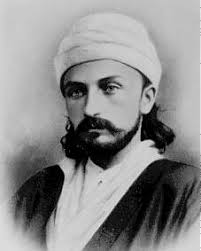
`Abbās Effendī, `Abd
al-Bahā’ (1844-1921 CE).
- ADD
- ADD
- `Tablet to Dr. August Forel' :
- ADD
SAQP:153
روح انسانی وديعهء رحمانيست
SAQ : Mufawadat...
Ch. 56 The Physical Powers nd the Intellectual Powers.
http://www.ibiblio.org/Bahai/Texts/EN/SAQ/SAQ-56.html
قوای
جسمانيّه و قوای معنويّه ،
نسان انسان
قوای خمسهء ظاهرهء جسمانيّه موجود و اين قوی واسطهء
ادراك است يعنی باين قوای خمسه انسان كائنات جسمانيّه را ادراك
كند قوّهء باصره است كه ادراك صور محسوسه نمايد قوّهء سامعه است
كه ادراك صوت مسموع كند و قوّهء شامّه است كه ادراك مشموم
نمايد و قوّهء ذائقه است كه ادراك مطعوم كند و قوّهء لامسه است
كه در جميع اعضای انسان منتشر و ادراك ملموس نمايد اين قوای
خمسه ادراك اشياءِ خارجه نمايد
"In man
five outer powers exist, which are the agents of perception--that is to
say, through these five powers man perceives material beings. These are
sight, which perceives visible forms; hearing, which perceives audible
sounds; smell, which perceives odors; taste, which perceives foods; and
feeling, which is in all parts of the body and perceives tangible
things. These five powers perceive outward existences. "
و همچنين انسان قوای معنويّه
دارد
"Man has also spiritual powers:
[1] imagination, which conceives things; [2] thought, which reflects
upon realities; [3] comprehension, which comprehends realities; [4]
memory, which retains whatever man imagines, thinks and comprehends. ..."
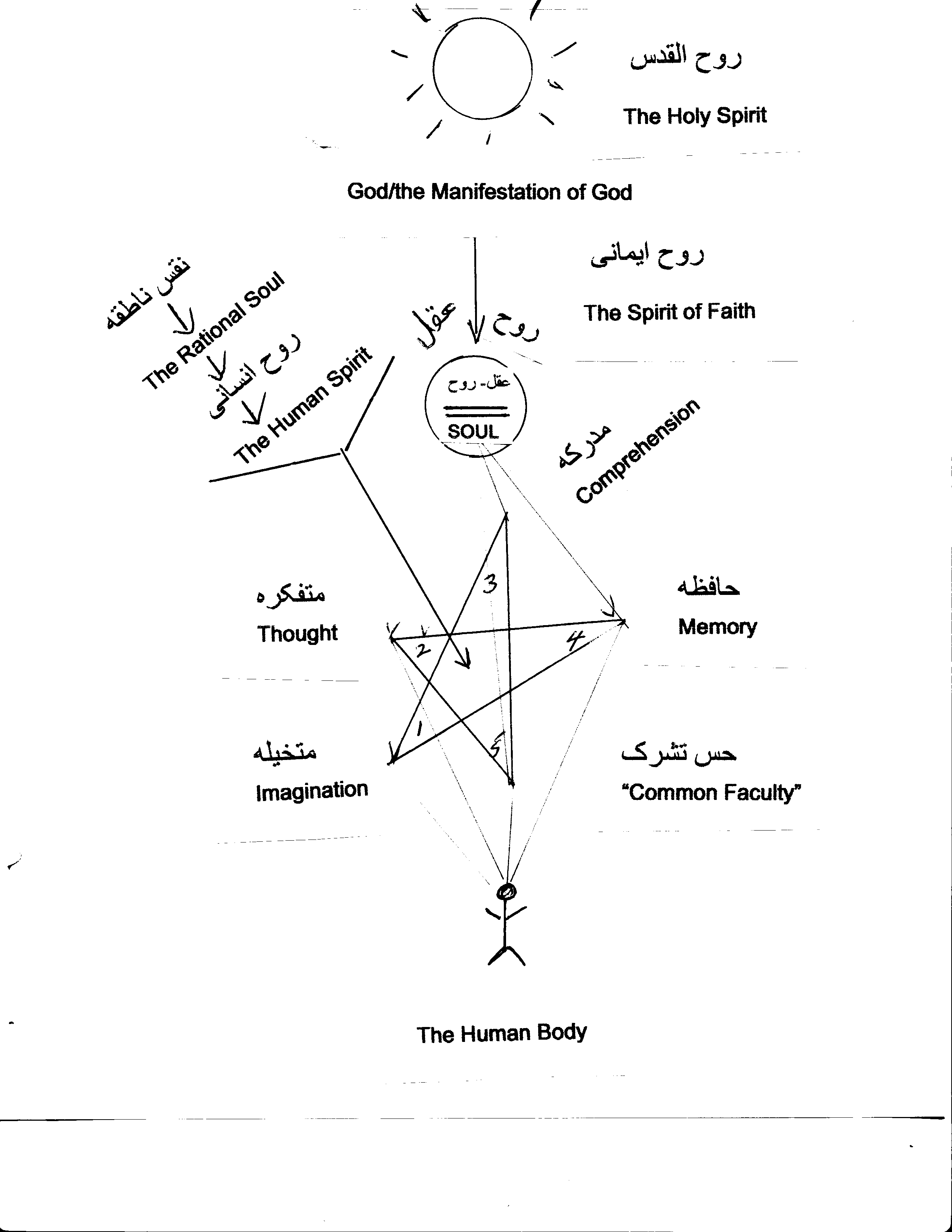
The Five Inner
Powers of Human Beings
-
[2] متفكّره
"Thought" :
Mutafakkira =
SAQ = "Thought, which reflects upon realities"
-
Arabic
Root = F-k-r = "Contemplation, Thought, Reflection...
-
و قوّهء متفكّره كه تفكّر در حقائق
امور نمايد
-
[3]
مدركه
"Comprehension" :
Mudrika =
SAQ = "Comprehension, which comprehends
realities"
-
و قوّهء مدركه است كه ادراك حقائق
اشيا كند
-
Arabic Root = D-r-k = Idrāk = Comprehension, Understanding,
Reason, Intellience
-
[4]
حافظه
"Memory" :
Ḥāfiẓa
= SAQ = "Memory, which
retains whatever man [1] imagines, [2] thinks and [3] comprehends"
-
قوّهء حافظه است كه آنچه انسان
تخيّل و تفكّر و ادراك نموده حفظ
نمايد
Arabic root Sh-r-k "to
participate, associate..."
و واسطه ميان اين قوای خمسهء
ظاهره و قوای باطنهء حسّ
مشتركست يعنی در ميان قوای باطنه و قوای ظاهره توسّط نمايد
و قوای ظاهره آنچه احساس نموده گرفته بقوای باطنه دهد اين را
حسّ مشترك تعبير نمايند كه مشترك در بين قوای ظاهره و قوای
باطنه است
The
intermediary between the five outward powers and the inward powers is
the sense which they possess in common--that is to say, the sense which
acts between the outer and inner powers, conveys to the inward powers
whatever the outer powers discern. It is termed the
common faculty, because it
communicates between the outward and inward powers and thus is common to
the outward and inward powers.
مثلاً بصر كه از قوای ظاهره
است اين گلرا بيند و
احساس كند و اين احساس را بقوّهء باطنهء حسّ مشترك دهد حسّ
مشترك اين مشاهده را بقوّهء متخيّله تسليم نمايد قوّهء متخيّله اين مشاهده
را
تخيّل و تصوّر كند و بقوّهء متفكّره رساند و قوّهء متفكّره در آن تفكّر
نمايد
و بحقيقتش پی برده پس بقوّهء مدركه تسليم كند و قوّهء مدركه چون
ادراك نمود صورت آن شئ محسوسرا بحافظه تسليم نمايد و قوّهء حافظه
حفظ نمايد و در محفظهء قوّهء حافظه محفوظ ماند و قوای ظاهره
پنج است قوّهء باصره و قوّهء سامعه و قوّهء ذائقه و قوّهء شامّه و قوّهء
لامسه قوای باطنه نيز پنج است قوّهء مشتركه قوّهء مخيّله قوّهء متفكّره
قوّهء مدركه قوّهء حافظه
"For
instance, sight is one of the outer powers; it sees and perceives this
flower, and conveys this perception to the inner power--the common
faculty--which transmits this perception to the power of imagination,
which in its turn conceives and forms this image and transmits it to the
power of thought; the power of thought reflects and, having grasped the
reality, conveys it to the power of comprehension; the comprehension,
when it has comprehended it, delivers the image of the object perceived
to the memory, and the memory keeps it in its repository. 4 The outward
powers are five: the power of sight, of hearing, of taste, of smell and
of feeling. 5 The inner powers are also five: the common faculty, and
the powers of imagination, thought, comprehension and memory".
DIAGRAM
SAQ : Mufawadat...
Ch. 55 On the differences between Mind, Sprit and Soul':
http://www.ibiblio.org/Bahai/Texts/EN/SAQ/SAQ-55.html
فرق ميان روح و عقل و نفس ،
Five kinds of
Spirit :
-
(1)
روح نباتی
: Ruh-i Nabati =
Vegetable Spirit
- "The vegetable spirit is the
power of growth which is brought about in the seed through the
influence of other existences."
-
روح حيوانی(2)
: Ruh-i Hayvani = Animal Spirit
- "The
animal spirit is the power of all the senses, which is realized from
the composition and mingling of elements; when this composition
decomposes, the power also perishes and becomes annihilated. It may
be likened to this lamp: when the oil, wick and fire are combined,
it is lighted; and when this combination is dissolved--that is to
say, when the combined parts are separated from one another--the
lamp also is extinguished"
- .
-
(3)
روح انسانی : Rūḥ-i Insānī
= Human Spirit =
نفس
ناطقه
= "Rational Soul"
امّا
روح انسانی كه ما به الامتياز انسان
از حيوانست همان نفس ناطقه
است و اين دو اسم يعنی روح
انسانی و نفس ناطقه عنوان شئ واحد است
-
"The
human spirit [-soul] [روح
[انسانی
which distinguishes man from the
animal is the rational soul
نفس ناطقه
, and these two names--the human spirit and the rational
soul--designate one thing.
و اين
روح كه
باصطلاح حكما نفس ناطقه
است محيط بر كائنات سائره است و بقدر
استطاعت بشريّه اكتشاف حقايق اشيا نمايد و بر خواصّ و تأثير
ممكنات و كيفيّت و خصايص موجودات اطّلاع يابد
-
This spirit
روح,
which
in the terminology of the philosophers
is the rational soul
نفس ناطقه embraces
all beings محيط
بر كائنات
, and as far as human ability permits discovers the
realities of things and becomes cognizant of their peculiarities and
effects, and of the qualities and properties of beings.
-
(4)
روح ايمانی
: Rūḥ-i ayman = Spirit of Faith
ولی تا بروح
ايمانی مؤيّد نگردد مطّلع باسرار الهيّه و حقائق لاهوتيّه نشود مانند
آئينه است هر چند صاف و لطيف و شفّاف است
- "But the human spirit (rūḥ
[-i insani], unless assisted by the spirit of faith
روح ايمانی
, does not become acquainted with the divine secrets and the
heavenly realities. It is like a mirror which, although clear,
polished and brilliant, is still in need of light. Until a ray of
the sun reflects upon it, it cannot discover the heavenly secrets.
ولی محتاج
بانوار است تا پرتوی از آفتاب بر او نتابد اكتشاف اسرار الهی
ننمايد
____________________
But the mind-intellect (`aql) is the power of the
human spirit (ruh-i insani)
امّا
عقل قوّهء روح انسانی است
روح بمنزلهء سراج است عقل
بمنزلهء انوار كه از سراج ساطع است
"Spirit-Soul (ruh) is the Lamp, Mind-Intellect (`aql)
is the
روح بمنزلهء شجر است و عقل
بمثابهء ثمر عقل كمال روح است و صفت متلازمهء آنست مثل شعاع
آفتاب كه لزوم ذاتی شمس است
اين بيان هر چند مختصر است ولی
مكمّل است ديگر شما فكر در آن نمائيد ان شاءِ اللّه مطّلع بر تفاصيل
آن خواهيد شد ،
HOLY SPIRIT
-
(5)
روح القدس
: Ruh al-Quds = Holy Spirit
مقصود از روح القدس فيض الهی است و اشعّهء ساطعه از
مظهر ظهور زيرا شعاع آفتاب حقيقت مركزش مسيح بود
و از اين مركز جليل حقيقت مسيح فيض الهی بر
سائر مرايا كه حقايق حواريّون بود اشراق نمود مقصود از حلول روح القدس بر
حواريّين اينست
Rūḥ al-A`ẓam (“The Most Great Spirit”)
Extracts from the
Tablet of `Abdu'l-Baha to Dr. Auguste Forel (
)
http://reference.bahai.org/en/t/ab/TAF/taf-1.html
"Now concerning mental faculties, they are in truth of the inherent
properties of the soul, even as the radiation of light is the essential
property of the sun. The rays of the sun are renewed but the sun itself
is ever the same and unchanged. Consider how the human intellect
develops and weakens, and may at times come to naught, whereas the soul changeth not. For the mind to manifest itself, the human body must be
whole; and a sound mind cannot be but in a sound body, whereas the soul
dependeth not upon the body. It is through the power of the soul that
the mind comprehendeth, imagineth and exerteth its influence, whilst the
soul is a power that is free. The mind comprehendeth the abstract by the
aid of the concrete, but the soul hath limitless manifestations of its
own. The mind is circumscribed, the soul limitless. It is by the aid of
such senses as those of sight, hearing, taste, smell and touch, that the
mind comprehendeth, whereas the soul is free from all agencies. The soul
as thou observest, whether it be in sleep or waking, is in motion and
ever active. Possibly it may, whilst in a dream, unravel an intricate
problem, incapable of solution in the waking state. The mind, moreover,
understandeth not whilst the senses have ceased to function, and in the
embryonic stage and in early infancy the reasoning power is totally
absent, whereas the soul is ever endowed with full strength. In short,
the proofs are many that go to show that despite the loss of reason, the
power of the soul would still continue to exist. The spirit however
possesseth various grades and stations."
As to the existence of spirit in the mineral: it is indubitable that
minerals are endowed with a spirit and life according to the
requirements of that stage. This unknown secret, too, hath become known
unto the materialists who now maintain that all beings are endowed with
life, even as He saith in the Qur’án, ‘All things are living’.
In the vegetable world, too, there is the power of growth, and that
power of growth is the spirit. In the animal world there is the sense of
feeling, but in the human world there is an all-embracing power. In all
the preceding stages the power of reason is absent, but the soul
existeth and revealeth itself. The sense of feeling understandeth not
the soul, whereas the reasoning power of the mind proveth the existence
thereof.
In like manner the mind proveth the existence 10 of an unseen Reality
that embraceth all beings, and that existeth and revealeth itself in all
stages, the essence whereof is beyond the grasp of the mind. Thus the
mineral world understandeth neither the nature nor the perfections of
the vegetable world; the vegetable world understandeth not the nature of
the animal world, neither the animal world the nature of the reality of
man that discovereth and embraceth all things.
The animal is the captive of nature and cannot transgress the rules and
laws thereof. In man, however, there is a discovering power that
transcendeth the world of nature and controlleth and interfereth with
the laws thereof. For instance, all minerals, plants and animals are
captives of nature. The sun itself with all its majesty is so
subservient to nature that it hath no will of its own and cannot deviate
a hair’s-breadth from the laws thereof. In like manner all other beings,
whether of the mineral, the vegetable or the animal world, cannot
deviate from the laws of nature, nay, all are the slaves thereof. Man,
however, though in body the captive of nature is yet free in his mind
and soul, and hath the mastery over nature.
Shoghi Effendi (1896-1957)
Baha’I writers and philosophers
APPENDIX 1
CONCEPTS OF SOUL IN INDIAN RELIGIONS
APPENDIX 2