|
|
|
The QAYYŪM AL-ASMĀ' OF THE BĀB. Part II سورة العلماء Sūrat al-`ulamā'
(The Surah of the Divines) on Qur'ān 12:1
In Progress 1982/2009-10
The second part of my ongoing provisional translation of the Qayyūm al-asmā’ (= QA) of the Bāb (mid. 1844/1260) with selected notes was begun in the early 1980s and is now corrected. I have not translated from a critical edition but consulted several good mss. The versification of the surahs is sometimes uncertain. The Bāb himself stated that there should be forty-two verses in each surah of the QA as accords with the abjad numerical value of lī meaning "before me" in Q. 12:4b (Ar. لي = l + ī = 30+10= 40) and another two representative of "the sun and the moon" (40+2 = 42). This figure is explicitly confirmed in the Bāb's Khuṭba al-dhikriyya (" The Sermon of the Remembrance") where it is stated in the context of an imamologically numbered categorization of the early works (dating from 1260-1262 AH):
The same 42
mode of surah versification of the QA., is
evident in certain mss. of this work; most notably the early 1261
(QA ms. 1261) Muhammad
Mahdī ibn Karbalā'ī, mss.
where
QA1 and 2 (and other surah headings) have following words after the surah title
and in between the basmala, wa hiya ithnā' [tāni]
wa arba`ūn "and it [the Surah] has forty two verses". Yet,
having said this,
in QA2 I have
versified very tentatively at 41 and retain this versification for the sake of
reference and commentary.
This second
surah is named the Surat al-`ulamā’ (The Surah of the divines / clerics...)
containing an address to the religiously learned in Islam as well as to the learned among
the "people of the Book" (Jews and Christians...). Like the surahs of the Q. this
surah commences with the basmalah (Bismillah al-raḥman al-raḥim ,
`In the Name of God, the Merciful, the Compassionate’). The neo-qur’anic
dimensions of the QA are again evidenced when the Bāb includes the isolated
letters A-L-M, a pattern found in several surahs of the Q. including the second
surah.
The three isolated letters A-L-M open both Q2 and QA2. Q2 (al-Baqara, the Cow) commences with A-L-M as does QA2
(al-`ulamā’, the divines). The isolated letters A-L-R in Q. 12:1a are allusively
commented upon in the last paragraph of QA2 (QA2: 32-34). Following these isolated
letters the rest of the first verse of surah 12 (= the Surah of Joseph) is
cited, "These are the verses of the Manifest Book".
Aside from being neo-qur’anic in opening, the 2nd Surah of the QA (cf. Sūrat al-baqara, Q. 2) the exact significance of the 3 isolated letters A-L-M in QA2 is unclear although the final pericope of QA2 is a succinct exposition of the significance of the three Arabic isolated letters (al-ḥurūfāt al-muqaṭṭa`āt), A-L-R as they occur at the very beginning of the Surah of Joseph (Q12:1a). The final pericope of QA2 is a succinct exposition of the significance of the three Arabic isolated letters A-L-R and mirrors or reflects their occurrence at the very beginning of the Surah of Joseph (Q121a). In his exegesis of the first letter "A" the Bāb may presupposes an apophatic theology. This if he has it that the letter "A" is something created subsequent to himself, to the Logos-Self. The "A" would seem to be beyond the primordial, first created, hypostatic mashiyya (the Divine Will), in later writings also the Primordial Dhikr (Remembrance). It is not the uncreated Reality of God Himself which is something `Wholly Other’.
The uncreated God, the Bāb continues in QA 2, decreed that
the letter "L" is expressive of the divine Ḥikma
("Wisdom") which is in line with the dictates (ḥukm) of the divine Book (li-ḥikma
`ala ḥukm al-kitāb).
Finally, the letter "R" (Rā' ) indicates the extension (li-inbisat) of
the dictates of the divine command in accordance with what is evident in the
Archetypal or Mother Book.
It is thus implied in QA2:32f that the
A-L-R of Q. 12:1 indicates that,
[1] "A" = the
created Reality which was created for the Bab or something other than him,
a realm `Wholly apart’, [2] "L" = the divine Ḥikma
("Wisdom") encapsulated in the Mother Book and [3] the "R" = the further extension
of the divine Logos-Command (al-amr). These three interpretations are suggestive of [1] the first
created Reality, the Dhikr or reality of the maẓhar-i ilahi, [2] the "Wisdom"
evident in the archetypal revealed Book and [3] the further realization or
extension and making known of the divine Will. The later Bahā'ī teaching of the
three "worlds" of [1] the unfathomable "Essence of God" (dhāt Allāh), [2]
the maẓhar-i ilahi "Manifestation of God" and [3] the "world of creation" would seem to be echoed in these last verses of QA2
(see `Abd al-Baha' cited Ma'idih, XX:XX; Mufawadat, ADD).
QA 2:3a is
inspired by Q.12:1b. which non-literally understands the term kitāb ("Book") as
the Qayyūm al-asmā’ itself, as a "Book from God" centering upon the
occulted, messianically charged person of the Dhikr (Remembrance). It is clear
at QA2:15 that his advent is immanent as is also indicated several times in the
Bible and the Qur'ān.
In QA 2:3 the
Qayyūm al-asmā’ is addressed in the imperative as a
bushra (a "good
news"), a "good tidings!" Interestingly bushrā is the feminine imperative
uttered by that wandering Midianite who discovered Joseph hidden in the "pit"
(Q12:19). In QA2:4,
The Bāb
praises those servants who exhibit respectful
humility before their parents. He seems to liken parents controlling their
respectful offspring to a just sovereign (sulṭan) in control of his
rebellious dominions.
As in his later Dalā’il-I Sab`ih (Seven Proofs, c. 1847-8) the Bāb’s very
early QA 2:7 clearly states that the ability to reveal verses is a major proof of
the truth of a claim to prophethood. In stating this, the Bāb follows the
teaching of the Q. and anticipates a few lines in Bahā'-Allāh’s famous Arabic
Tablet of Aḥmad.
Ijtihād, independent
jurisprudential or theological reasoning
outside of a [proto-] Bābī religious consciousness rooted in affirmation of the
new divine revelation, is forbidden. Human avenues to religious truth are
interdicted. The ‘ulamā’, with their multifarious opinions, are severely warned.
The ijtihād of the mujtahid is something out of bounds in evaluating the
new universe of religious discourse actualized by the revelations of the Bāb.
The paragraph commencing at QA 2:16 is addressed to the ahl al-kitāb, the people of the book, primarily indicating members of the
Abrahamic religions who find authority in a divinely revealed "book", a sacred
scripture such as the tawrat, (Torah), Hebrw Bible or Injīl (original Gospel[s]). The
scriptural learning of Jews and Christians should not withold them from the
truth. The book from which the `people of the book ’ should take guidance from is the
"Book" of the Remembrance of God, the messianic Dhikr. This "Book" encapsulates all
previous scripture. Interestingly, in QA2:26, the mission of the Bab would appear
to be of cosmic import, by virtue of his divine light. It is a mission addressed
to "all the worlds." In QA2:29 the Bāb identifies true Muslims as those who have
responded to the call of the Dhikr-Allāh, articulting his own semi-secret
proclamation.
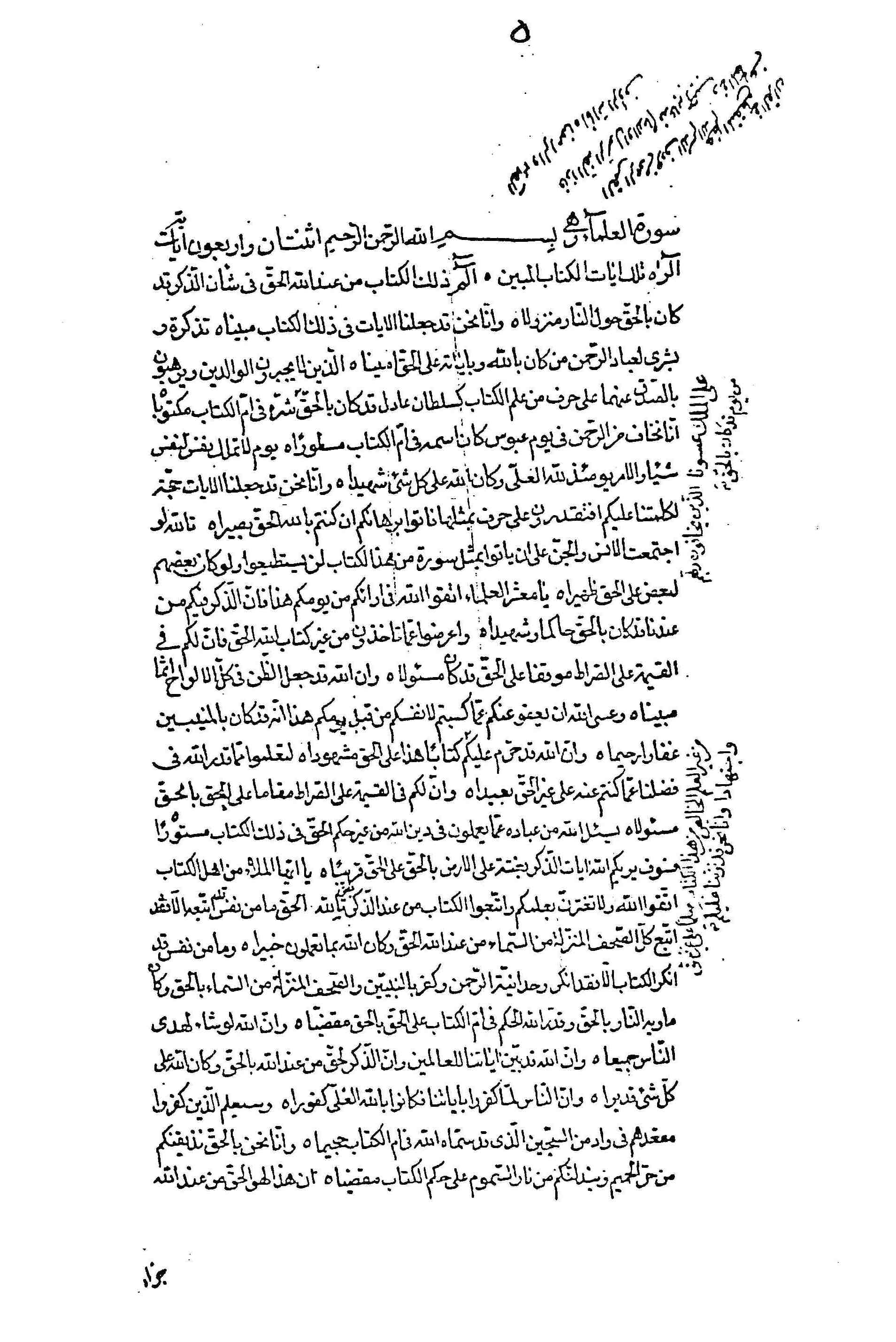
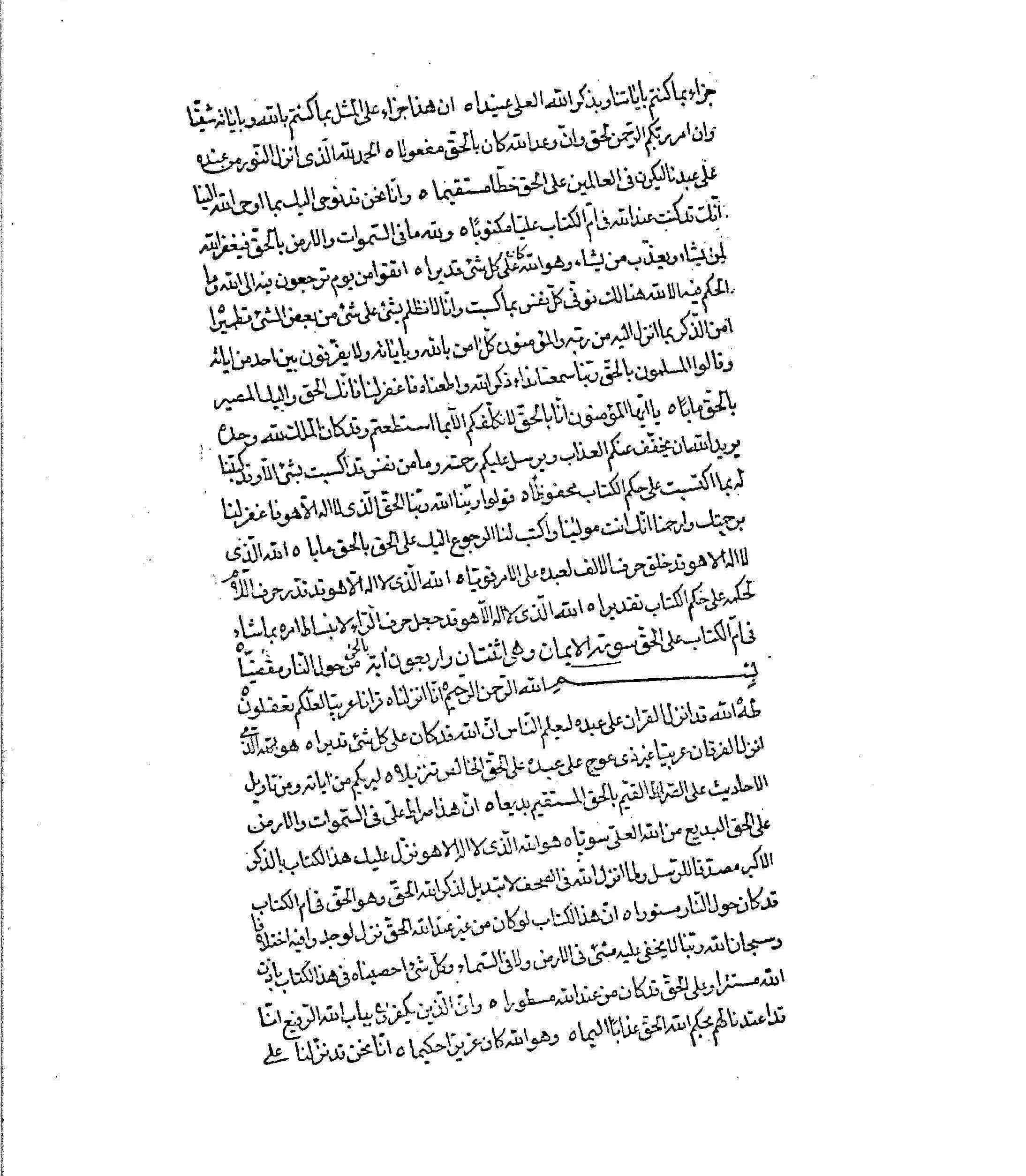
SCANS OF THE 1261 MSS.
QA. 002A -05./ QA.002B-06
Qayyūm al-asmā' II سورة العلماء Sūrat al-`ulamā' (The Sūrah of the Divines) Qur'ān 12:1
rans. Stephen N. Lambden (1982/2009)
[1]
بسم اللّه الرّحمن الرّحيم In the Name of God, the Merciful, the Compassionate [2] الر تِلْكَ آيَاتُ الْكِتَابِ الْمُبِينِ A-L-R
[3] آلم [4] ذلك الكتاب من عند اللّه الحقّ فی شأن الذّكر قد كان بالحقّ حول النّار منزولاً Alif-Lām-Mīm.
[5] و انّا نحن قد جعلنا الايات فی ذلك الكتاب مبيناً We, verily, made the verses of this Book eloquent, [6] تذكرة و بشری لعباد الرّحمن من كان باللّه و باياته علی الحقّ اميناً
[7] الّذين لايحبرون الوالدين و يرهبون بالصّدق عنهما علی حرف من علم الكتاب كسلطان عادل قد كان بالحقّ علی الملك عسوفاً
[8] الّذين يخافون ربّهم من يوم قد كان بالحقّ شرّه فی امّ الكتاب مكتوباً
[9] انّا نخاف من الرّحمن فی يوم عبوس كان اسمه فی امّ الكتاب مسطوراً
[10] يوم لاتملك نفس لنفس شيئا و الامر يومئذ اللّه العلیّ و كان اللّه علی كلّ شیء شهيدا
[11] و انّا نحن قد جعلنا الايات حجّة لكلمتنا عليكم افتقدرون علی حرف بمثلها فأتوا برهانكم ان كنتم باللّه الحقّ بصيراً
[12] تاللّه لو اجتمعت الانس و الجنّ علی ان يأتوا بمثل سورة من هذا الكتاب لن يستطيعوا و لو كان بعضهم لبعض علی الحق ظهيرا
[13] يا معشر العلمإ اتّقوا اللّه فی آرائكم من يومكم هذا
فانّ
الذّكر فيكم من عندنا قد كان بالحقّ حاكماً و شهيداً
O concourse of divines (`ulamā') !
Fear God! from this day onwards in setting forth your personal opinions
(arā'; sing.
ra'y) for the [messianic] Remembrance (al-dhikr) is
among you by virtue of Us. He, in very truth, is Judge and Witness. [14] و اعرضوا عمّا تأخذون من غير كتاب اللّه الحقّ فانّ لكم فی القيمة علی الصّراط موقفا علی الحقّ قد كان مسئولاً
[15] و انّ اللّه قد جعل الظّن فی كلّ الالواح اثماً مبيناً
[16] و عسی اللّه ان يعفو عنكم عمّا كسبتم لانفسكم من قبل يومكم هذا انّه قد كان بالمنيبين*ADD غفّاراً رحيماً
[17] و انّ اللّه قد حرّم عليكم من غير العلم الخالص من هذا الكتاب حكماً علی غير الحقّ و اجتهاداً و انّا نحن قد نزّلنا عليكم كتاباً هذا علی الحقّ مشهوداً
[18] لتعلموا ممّا قدّر اللّه فی فضلنا عمّا كنتم عنه علی غير الحقّ بعيداً
[19] و انّ لكم فی القيمة علی الصّراط مقاماً علی الحقّ بالحقّ مسئولاً
[20] يسئل اللّه من عباده عمّا يعلمون فی دين اللّه من غير حكم الحقّ فی ذلك الكتاب مستوراً
[21] فسوف يريكم اللّه آيات الذّكر بغتةً علی الارض بالحقّ علی الحقّ قريباً
[22] يا ايّها الملأ من اهل الكتاب اتّقوا اللّه و لاتغترنّ بعلمكم و اتّبعوا الكتاب من عند الذّكر* مبين
تاللّه الحقّ ما من نفس قد اتّبعه الّا فقد اتّبع كلّ الصّحف المنزلة من السّمإ من عند اللّه الحقّ و كان اللّه بما تعلمون خبيراً By God the True One!
[23] و ما من نفس قد انكر الكتاب الاّ فقد انكر وحدانيّة الرّحمن و كفر بالنّبيّين و الصّحف المنزلة من السّمإ بالحقّ و كان مأويه النّار بالحقّ و قدّر اللّه الحكم فی امّ الكتاب علی الحقّ بالحقّ مقضيّا Such a judgment hath indeed been decreed by God; as, in very truth, stipulated in the Mother Book (umm al-kitāb).
[24] و انّ اللّه لو شإ لهدی النّاس جميعاً If God willed it He could assuredly guide all mankind. [25] و انّ اللّه قد بيّن آياتنا للعالمين و انّ الذّكر لحقّ من عند اللّه بالحقّ و كان اللّه علی كلّ شیء قديراً
[26] و انّ النّاس لمّا كفروا باياتنا فكانوا باللّه العلیّ كفوراً
[27] و سيعلم الّذين كفروا مقعدهم فی واد من السّجّين الّذی قد سمّاه اللّه فی امّ الكتاب جحيما [ حجيما ]
[28] و انّا نحن بالحقّ نذيقنّكم من حرّ الحميم و نبدلنّكم من نار السّموم علی حكم الكتاب مقضيّاً
[29] انّ هذا لهو الحقّ من عند اللّه جزإ بما كنتم باياتنا و بذكر اللّه العلی عنيداً
[30] انّ هذا جزإ علی المثل بما كنتم باللّه و باياته * [باياتنا] شقيّاً
[31] و انّ امر ربّكم الرّحمن لحقّ و انّ وعد اللّه كان بالحقّ مفعولاً
[32] الحمد للّه الّذی انزل النّور من عنده علی عبدنا ليكون فی العالمين علی الحقّ خطّاً مستقيماً
Praise be to God Who hath sent down upon Our servant [the Bāb] the Light (al-nūr) which is with Him to the end that he might, in very truth, be [even as] an Upright [alphabetical] Trace [Line] (khaṭṭ an mustaqīm an ) in all the worlds.
[33]
و انّا نحن قد نوحی اليك بما اوحی اللّه الينا
انّك قد كنت عند اللّه فی امّ الكتاب عليّاً مكتوباً We, verily, hath inspired thee [the Bāb] with
the like of that with which God inspired Us for thou, verily, were indeed one
elevated, inscribed in the Mother Book. [34]
و للّه ما فی
السّموات و الارض بالحقّ فيغفر اللّه لمن يشإ و يعذّب من يشإ
و هو اللّه كان
علی كلّ شیء قديراً
[35] اتّقوا من يوم ترجعون فيه الی اللّه و ما الحكم فيه الا اللّه هنالك نوفّی كلّ نفس بما كسبت و انّا لانظلم بشی ء علی شیء من بعض الشیء قطميراً
[36] آمن الذّكر بما انزله اليه من ربّه و المؤمنون كلّ آمن * / آمنوا باللّه و باياته و
لايفرّقون بين احدٍ من آياته قالوا المسلمون بالحقّ ربّنا سمعنا ندإ ذكر اللّه و اطعنا
فاغفر
لنا فانّك الحقّ و اليك المصير بالحقّ ماباً
The Remembrance (al- dhikr) hath believed in that which was sent down unto him
from His Lord. And the [true] believers believed in God and in His
verses [signs]. He does not distinguish between any one of His verses. [True]
Muslims, in very truth, say, `O our Lord! We have hearkened to the call of the
Remembrance of God (dhikr allāh) and have obeyed him. So forgive us [our sins] for Thou, verily, art the True
One, and unto Thee, in very truth, is the retreat which is a place of return (Q. 2: 284-5). [37]
يا ايّها المؤمنون
و
يرسل عليكم رحمته و ما من نفس
قد اكسبت
O ye believers!
We, in very truth, shall not burden
you except as far as you are capable [of obedience]. And dominion belongeth to
God alone. God desireth to lessen for you [the severity of] the punishment. He
will send His mercy unto you. There is no soul that hath committed the least
thing save We, verily, recorded that which it hath committed, preserved according to the decree of the Book.
[38]
قولوا ربّنا اللّه ربّنا الحقّ الّذی لا اله الّا هو
فاغفر
لنا برحمتك و ارحمنا انّك انت مولينا و اكتب لنا الرّجوع اليك علی الحقّ بالحقّ
مأباً They [the believers] say, "O our Lord! God is our Lord, the True One.
No God is there except Him. Forgive us through Thy mercy.
And have mercy upon Us for Thou art our Protector. Write down for us the return unto Thee, a place of return such as,
in very truth, accords with the Truth" (cf. Q. 2:286). [39]
اللّه الّذی لا اله الّا هو قد خلق
[40] اللّه الّذی لا اله اللا هو قد قدّر حرف اللّام لحكمه علی حكم الكتاب تقديراً God is the One Who, no God is there except Him. He, verily, determined the letter "L" (Lām) to be expressive of [His] Wisdom (ḥikma) measured out according to the decree of the Book (`ala ḥukm al-kitāb taqdīr an).
[41] اللّه الّذی* لا اله اللا هو قد جعل حرف الرّإ لانبساط امره بما شإ فی امّ الكتاب علی الحقّ بالحقّ من حول النّار مقضيّاً "R" (rā' ) to be [indicative of] the extension (inbisāt) of His Logos-Command according to that which He hath, in very truth, willed in the Mother Book, as stipulated in the vicinity of the [Sinaitic] Fire (al-nār).
[42]? Check Versification above
قد كان بالتّائبين غفّاراً رحيماً ,QA 2:17b in Mss.... we read QA 2:22b in mss. XXX ... و اتّبعوا الكتاب من عند الذّكر* [بالذّكر...?] مبين QA 2:23 BWC Trans. in SWB: XX at times this trans. presupposes a different text, as marked in red: "O concourse of the people of the Book! Fear ye God and pride not yourselves in your learning. Follow ye the Book which His Remembrance hath revealed in praise of God, the True One. He Who is the Eternal Truth beareth me witness, whoso followeth this Book hath indeed followed all the past Scriptures which have been sent down from heaven by God, the Sovereign Truth. Verily, He is well informed of what ye do". (SWB: XX) QA 2:30 read for "His verses", "Our verses" Add. mss. details [30] انّ هذا جزإ علی المثل بما كنتم باللّه و باياته * or باياتنا شقيّاً
QA 2:38 note the trans.
Forgive us our sins. Thou art, verily, the Eternal Truth, and unto Thee, our infallible Retreat, must we all return.'(1) QA 2:37 note the two possible variant readings at * :
يا ايّها المؤمنون انّا بالحقّ لانكلّفكم الّا بما استطعتم و قد كان الملك للّه وحده يريد /* يری اللّه ان يخفّف * / يخفف عنكم العذابو يرسل عليكم رحمته و ما من نفس قد اكسبت /* اكتسبت بشیء الّا و قد كتبنا له* بما اكتسبت علی حكم الكتاب محفوظاً QA 2:39 note the variant readings at * : not "created" but "determined" : which is probably
a repetiton of qaddar as it occurs in QA 2:40 اللّه الّذی لا اله الّا هو قد خلق * / قدّر حرف الالف لعبده علی الامر قويّاً
|